

As someone who isn’t an avid F1 fan and couldn’t tell my Hasslehoff from my Schumacher, Formula Legends’ unofficial nature turned out to be perfect for me. This colourful arcade racer from 3DClouds takes players through seven decades of Formula racing history without the intimidation factor of official licences and real driver names.
A Steep Learning Curve Worth Conquering
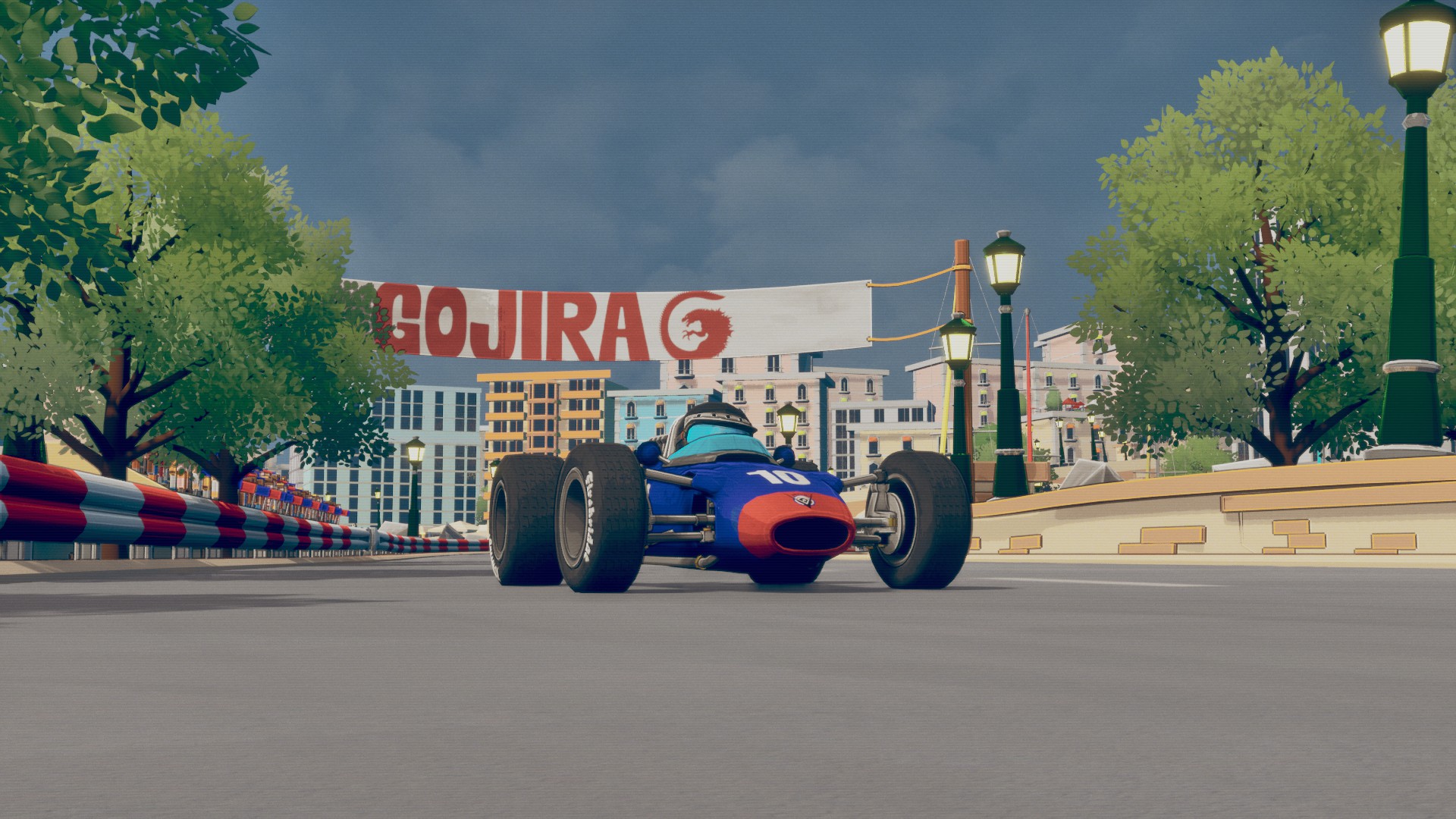
Let me be upfront: Formula Legends kicked my backside when I first started. Despite its toy-like appearance and chunky car designs that look like Micro Machines come to life, this isn’t the casual kart racer you might expect. The game demands precision, proper braking points, and careful racing lines. Initially, I found myself spinning out constantly and finishing dead last.
What I respect about Formula Legends is that it doesn’t compromise its vision to be overly accessible. The physics might not be full simulation, but you still need to manage fuel consumption, tyre wear, and plan pit strategies. The pit stop mini-games became a particular highlight for me – frantically trying to time your entry perfectly while managing worn tyres added genuine tension to longer races.
Decades of Difference
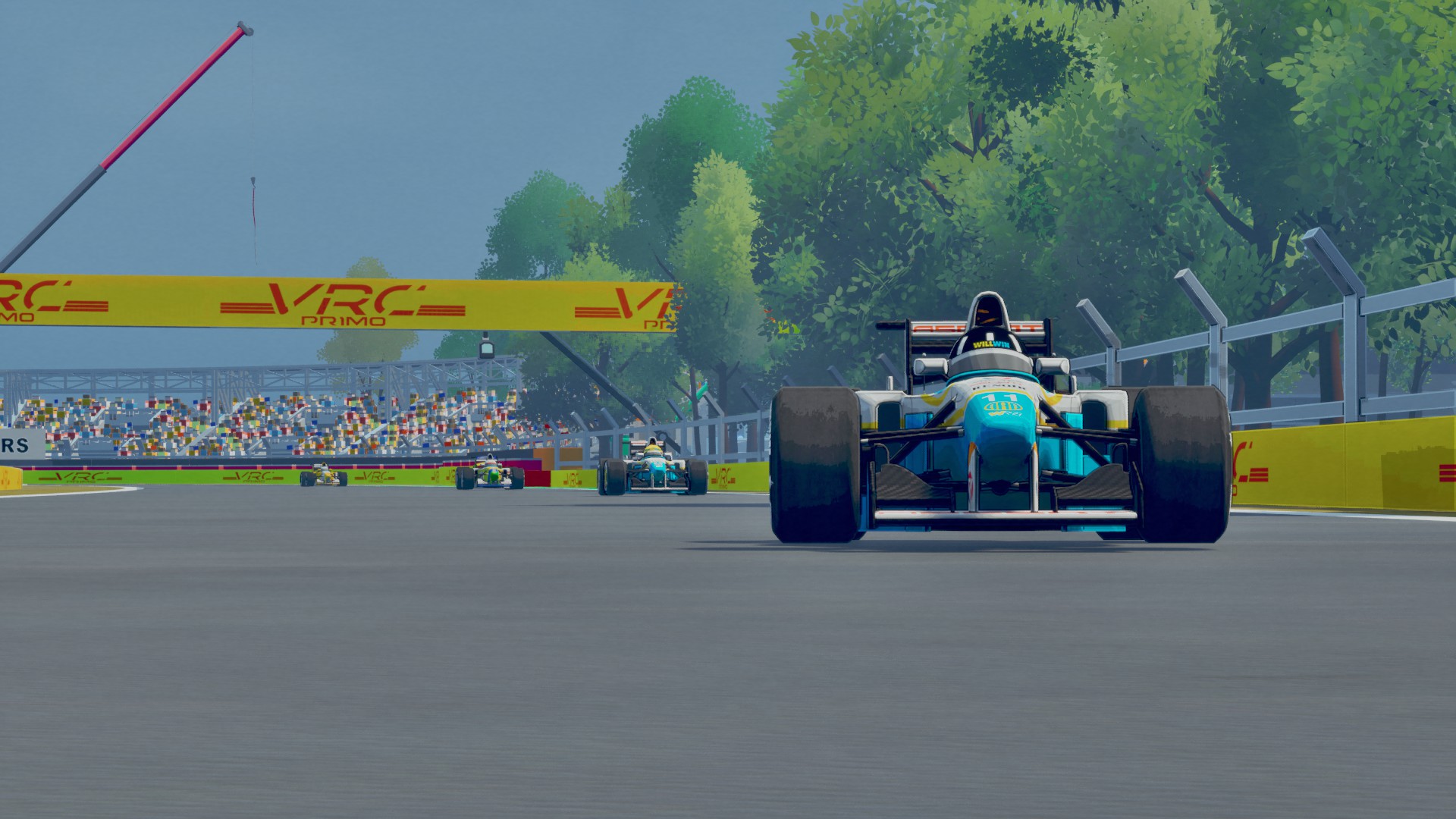
The game’s structure takes you chronologically through racing history, starting in the 1960s. I found the more recent decades significantly easier to handle than the earlier ones. Those vintage cars with their lack of downforce and primitive handling were brutal! Modern era vehicles with their advanced aerodynamics and better grip felt much more forgiving for someone learning the ropes.
The visual variety across eras is impressive too. Vintage tracks lined with hay bales gradually evolve into modern circuits with proper safety barriers. Optional visual filters give older races a warm, grainy film look that perfectly captures the period. It’s clear the developers are genuine motorsport enthusiasts.
Finding Your Racing Sweet Spot
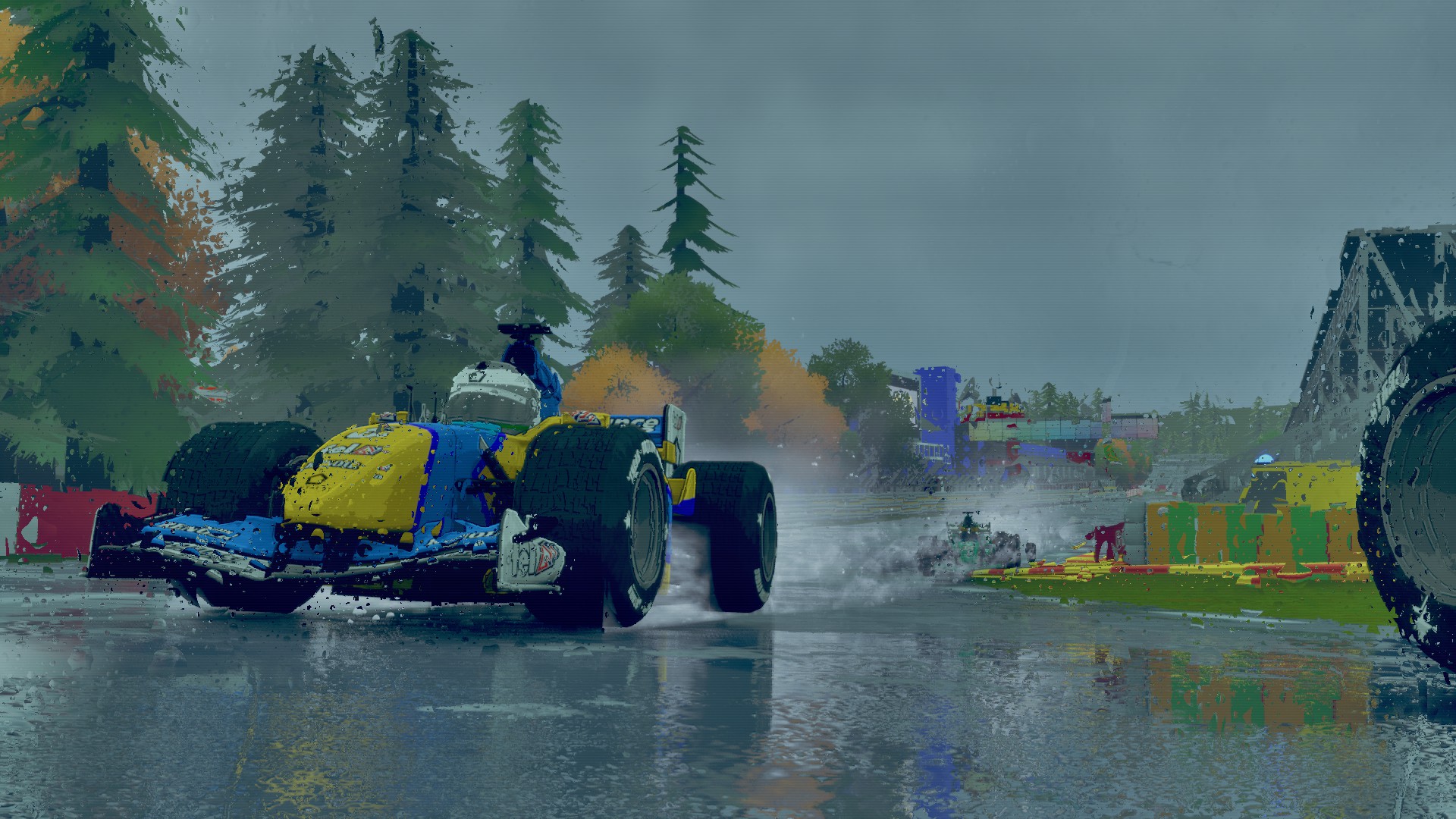
Here’s where Formula Legends won me over: the customisation options. When races got too challenging (looking at you, Monaco-inspired track), I could switch up the settings dramatically. Removing damage, adding steering assists, and tweaking other options transformed the experience from punishing to genuinely fun for quicker sessions. This flexibility meant I could enjoy serious racing when I had time to focus, or have a more relaxed blast when I just wanted some arcade action.
The fictional drivers with names like “Luis Hammerton” and “Dave Coulthsoft” added unexpected charm. Not knowing the real-world equivalents actually freed me from any preconceptions – I could just enjoy each era on its own merits.
Technical Hiccups
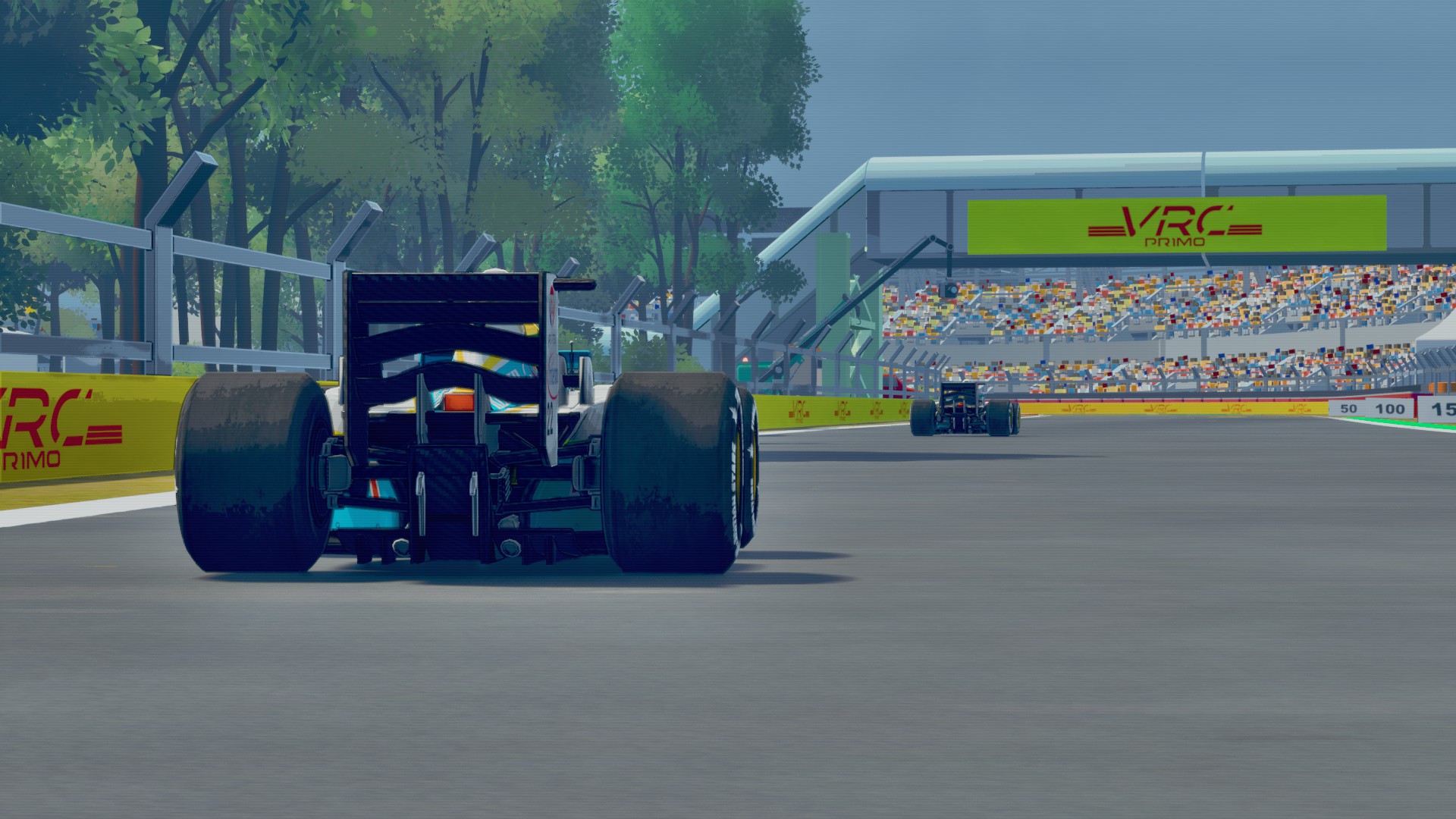
The game isn’t without issues. The AI difficulty is wildly inconsistent between tracks – cruising to victory on one circuit, then being absolutely demolished on another. The steering can feel slightly laggy, making quick direction changes through chicanes frustrating. Frame drops occasionally mar the otherwise smooth racing, particularly on elevation changes.
The lack of multiplayer is disappointing. Racing against unpredictable human opponents would add longevity and help smooth over the AI balancing issues. As it stands, you’re limited to time trials and championships against the computer.

A Racing Team Worth Supporting
Formula Legends occupies an unusual middle ground – too demanding for young children, not licensed enough for hardcore F1 fans. Yet for someone like me who appreciates racing games but isn’t steeped in Formula One culture, it hits a sweet spot. The ability to adjust difficulty options extensively means you can tailor the experience to your mood and skill level.
At £19.99, it offers good value for those willing to persevere through its initial difficulty spike. The seven decades of content provide plenty to unlock and explore, even if the journey can be bumpy. Formula Legends may not be the accessible arcade racer its visuals suggest, but it’s a surprisingly engaging tribute to motorsport history that rewards patience and practice.
Latest
-

Agefield High: Rock the School – Here’s Everything We Know
-
Garden Souls Blends Fighting With Endless Build Freedom
-
Pure Pool Pro Launches With Full Crossplay
-
Ascend to ZERO Adds Acclaimed Voice Actress
-
Pimbolas – Chaotic Foosball
-
Pit Panic – Aztec Rogue-Like Platforming
-
Cinder City: Everything We Know About NC’s Open-World PvE Shooter
-
Review: Voidling Bound | Steam









Latest Previews
Lost Gems
-
Top 10 Meta Quest 2 Games For Children
-
Stormforce Gaming & The Prism iCue 6209
-
Licensed Xbox Games for Kids 2022/23
-
New Mods for Minecraft Bedrock 2023
-
The 6,6,6 Scariest Games of 2022
-
5 Great Udemy Courses For New Game Developers
-
Hearthstone Alternatives For Lovers of Card Games
-
My Top 10 Star Wars Games of All Time
-
5 of the Most Interesting Mobile Games at EGX Rezzed
-
11 Wicked Witches in Video Games | Halloween Special
-
Beginners Guide to Pokemon Go [Updated]
-
Advanced 2D and 3D Game Development Software
-
My Top 5 Boxing Games
-
Parents Guide to Minecraft
-
10 Great Kids Games From 2016 on Xbox One


















You must be logged in to post a comment Login