




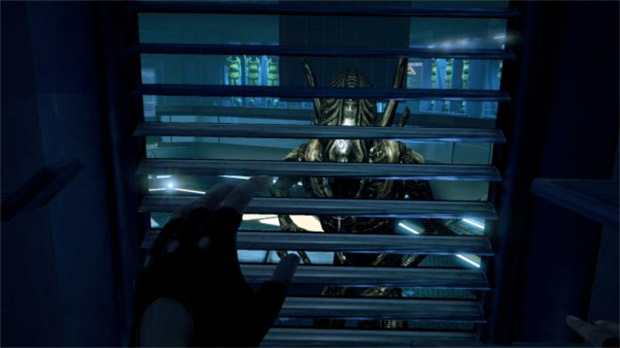
The first time my eldest daughter watched me play Alien: Isolation — arms folded, absolutely loving the fact that her dad was making a small strangled noise at a creaking vent — I realised horror games have a nasty knack of finding your limits rather than your bravery. The best of them don’t hurl jump scares at you. They sit back, dim the lights, and let you frighten yourself. And for a beginner, that’s either a gateway drug or the reason the controller ends up in the drawer for good.
So if you’ve been circling the genre for years, put off by the blood-slick trailers or the sheer intensity of the hardcore stuff, this one’s for you. Below are six horror games for beginners that ease you in at a sensible pace — a mix of cinematic slow-burners, indie gems, and one or two you can genuinely play with the family in the room.
What makes a horror game beginner-friendly?
Not every horror game wants to terrify you into switching off. A beginner-friendly one usually ticks three quiet boxes: it trusts atmosphere over constant jump scares, it gives you enough tools (or enough narrative momentum) that you don’t feel helpless, and it respects your time — short chapters, accessible saves, and a difficulty curve that doesn’t demand a second degree in survival horror. The games below all earn their unease rather than screaming it at you, which makes them ideal for a nervous first-timer.
If your idea of horror is more “tense thriller” than “grab-the-cushion”, that’s also completely fine — plenty of modern horror sits closer to prestige TV than to the bloodbaths of twenty years ago.
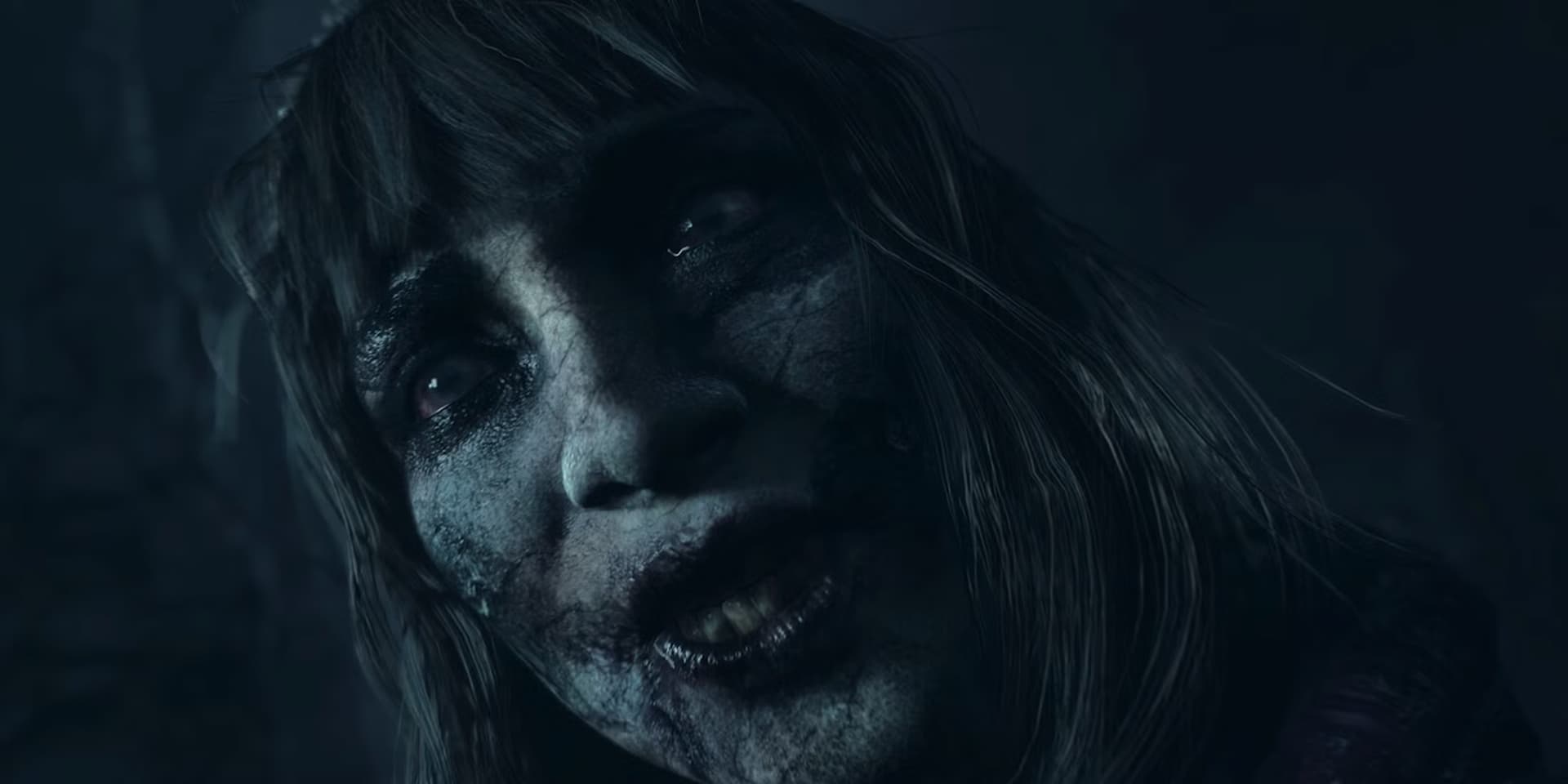
6 horror games any beginner can start with
1. Until Dawn (PS4 / PS5 / PC)
Supermassive’s teen-slasher homage is the gentlest gateway drug on the list. You pilot a cast of eight twentysomethings through a night in a haunted lodge, and every decision branches outwards — who lives, who doesn’t, who stumbles into the wrong basement. The controls are simple, the scares are cinematic rather than relentless, and because you’re steering a story rather than fighting monsters, a first-timer never feels mechanically outmatched. Ideal for one of those quiet Sunday nights when you want to be scared but not shattered.
2. Little Nightmares II (PC / Xbox / PlayStation / Switch)
If you want your horror served with a side of puzzle-platforming and zero blood, Tarsier’s indie masterpiece is the one. You play a small masked boy navigating a drowned, grotesque world that’s genuinely disturbing without ever being gory — more Roald Dahl’s dark cupboard than Resident Evil. Short, beautiful, and the sort of thing you can happily put down between chapters. The first game’s brilliant too, though the sequel pips it for pacing.
3. Luigi’s Mansion 3 (Switch)
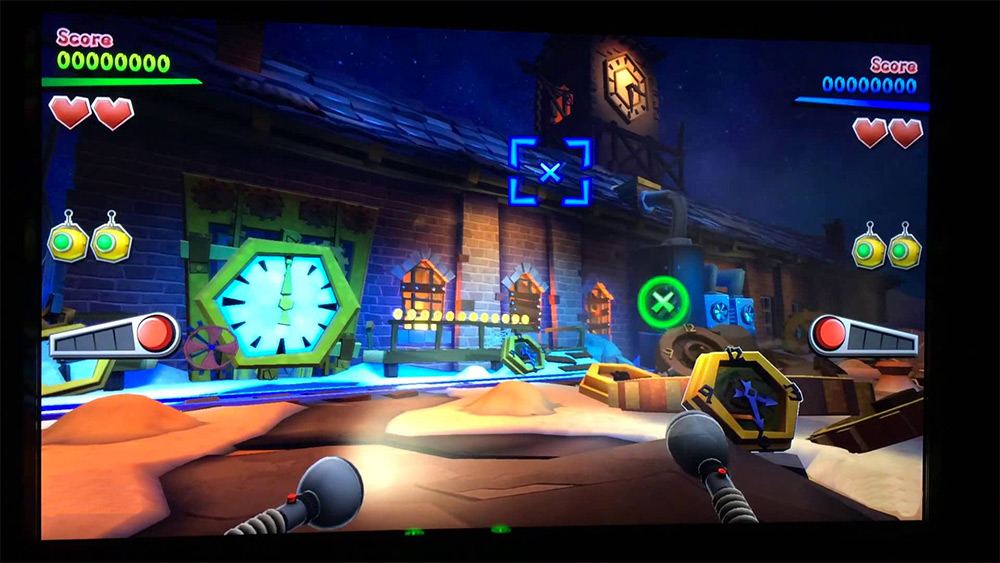
Yes, really. Hear me out. Luigi’s Mansion 3 is horror-shaped in every way that matters — ghosts, a haunted hotel, a torch, the creeping sense that something’s watching from behind the wallpaper — but it’s a Nintendo game, so everything lands with a wink. If you’re easing a nervous partner or a curious kid into the genre, this is the one that does the hard work without scarring anyone. It’s also one of the best-looking games on Switch, which never hurts.
4. Alan Wake 2 (PC / Xbox Series X|S / PS5)
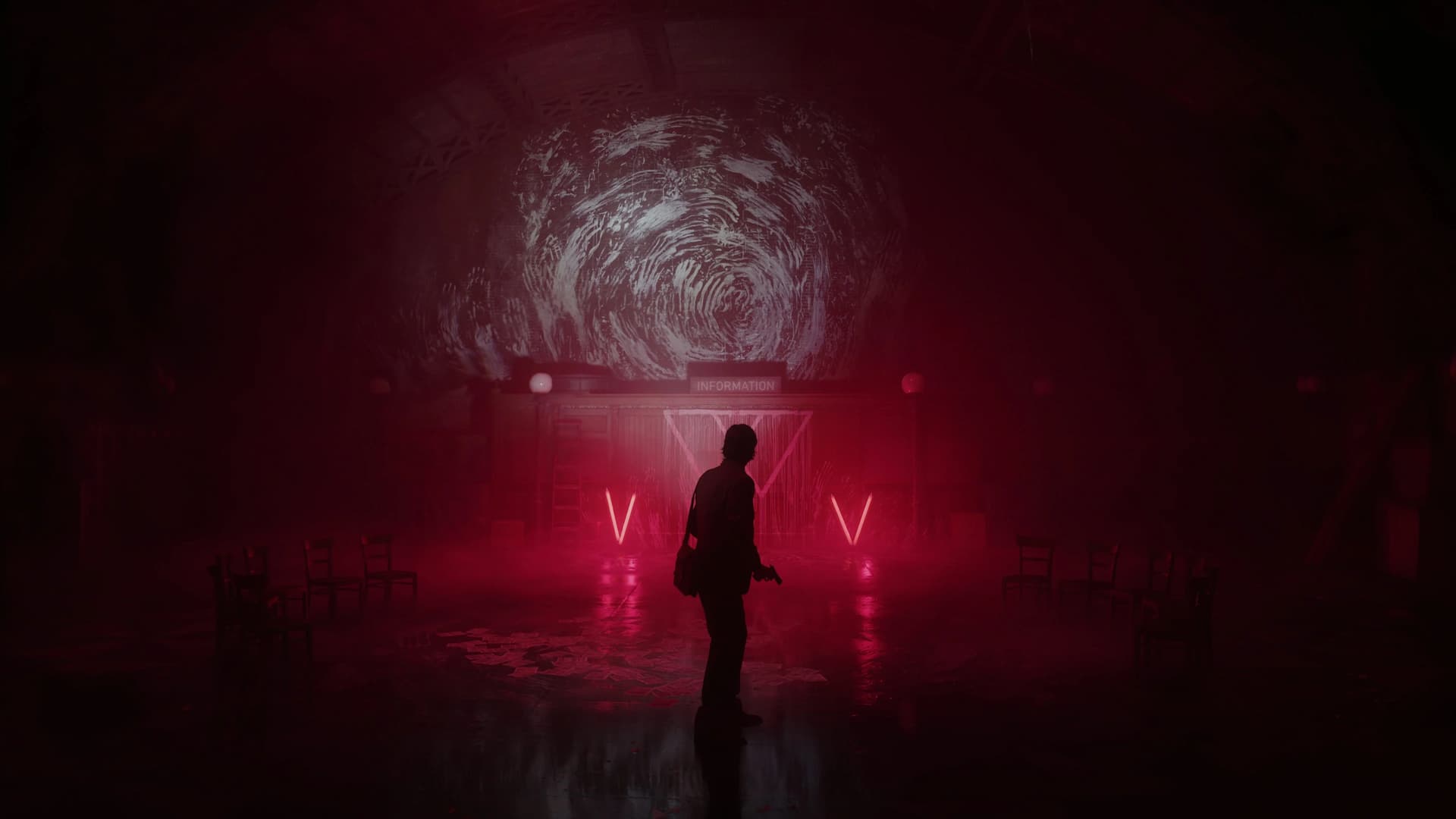
Remedy’s long-awaited sequel is the cinematic horror game for people who don’t usually play cinematic horror games. It’s a proper detective story threaded through with genuinely strange imagery, the combat is forgiving on the easier difficulty, and the pacing is built around beats of calm and unease rather than constant aggro. If you want to see how far the genre has come since Silent Hill, this is the headline exhibit. I’ve put together a complete Alan Wake 2 guide elsewhere on the site for anyone who wants a companion through it.
5. Phasmophobia (PC / Xbox / PS5)
The co-op ghost-hunting sim that launched a thousand YouTube reaction videos. On paper it’s terrifying — you creep around haunted locations identifying spectres by their behaviour — but play it with two or three friends on voice chat and it flips from horror into something closer to a very intense pub quiz. It’s also absurdly cheap and ideal for dipping in and out, so the investment is tiny. A proper modern-classic indie.
6. Signalis (PC / Xbox / PlayStation / Switch)
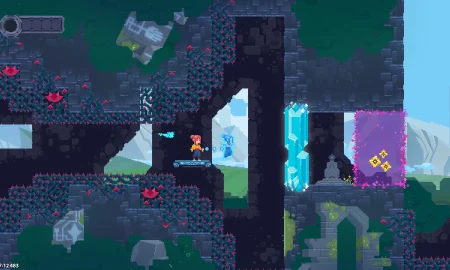
If you want to see what thoughtful indie horror looks like in 2026, Signalis is the pick. It’s a survival horror love letter to classic Resident Evil and Silent Hill filtered through a melancholic sci-fi lens, with limited inventory, puzzles, and atmosphere for days. Pixel-art presentation keeps the dread suggestive rather than photoreal, which is perfect for a beginner — the horror lives in your head. It’s short, too, which makes it easy to finish rather than abandon after chapter one.

Where to go once you’ve found your feet
Finished a couple of the above and fancy something stiffer? This is usually where people graduate to Resident Evil 2 Remake (the modern benchmark for survival horror), Amnesia: The Bunker (shorter and sharper than its predecessors), or Dead Space Remake if you like your horror with sci-fi guts. Silent Hill 2 Remake is another serious recommendation if the psychological stuff appeals more than the action.
Worth saying: not every “bigger” horror game ages gracefully. If you’ve ever wondered why people get so worked up about the direction Capcom’s flagship franchise took, have a read of how Resident Evil 6 almost killed the franchise — it’s a useful piece of context before you dive into the newer entries.
5 tips for surviving your first horror game
- Play in the evening, not the middle of the night. Sounds daft but the first couple of hours are always the hardest. Nine o’clock with a cup of tea is a far better entry point than midnight with the lights off.
- Use headphones. Yes, it makes it scarier. It also means you’ll actually hear the sound design the developers spent thousands of hours on, which is the whole point.
- Lean on the easier difficulty. Modern horror games are not designed around their hardest setting. Play it on Story or Easy the first time round — you’ll enjoy the atmosphere properly instead of rage-reloading a boss.
- Take breaks. Horror games are more fatiguing than almost any other genre. A 40-minute session followed by something light is healthier than a three-hour binge that leaves you jittery.
- Don’t spoil yourself. Avoid YouTube playthroughs until you’ve finished. The first-time dread is the whole reason you picked these up.
What about younger players?
My youngest has dipped into Luigi’s Mansion 3 and Little Nightmares happily enough — the first with zero anxiety, the second with a cushion to hand — but the rest of the list is firmly 15+ at a minimum. If you’re shopping for a nervous teen or a horror-curious tween, stick to the top three picks above. For parents specifically weighing up where horror and family gaming meet, there’s plenty more on the site about what’s age-appropriate in big modern games. And if you’re steering very young gamers away from anything dark at all, the best Meta Quest 2 games for children list has plenty of much gentler alternatives.
Frequently asked questions
Are horror games for beginners actually scary?
The ones above are scary in the way a good thriller is scary — tense, atmospheric, occasionally startling — rather than outright traumatic. They’re designed to build tension, not to hit you with shock after shock. If you can sit through a modern horror film, you’ll be fine.
What’s the least scary horror game I can start with?
Luigi’s Mansion 3, hands down. It’s horror-shaped but tonally warm, genuinely funny, and has the lowest stakes of anything on the list. Little Nightmares II is the next step up if you want something darker without the gore.
Do I need a beefy PC to play these?
Not really. Phasmophobia, Signalis and Little Nightmares II all run on modest hardware. Alan Wake 2 is the demanding exception — that one wants a current-gen console or a reasonably modern PC.
Which horror game is best for playing with friends?
Phasmophobia, easily. Four players with voice chat turns a deeply unsettling game into one of the best co-op experiences of the decade. The Dark Pictures Anthology games (from the same studio as Until Dawn) also have a co-op Movie Night mode worth trying.
Are older horror games (PS2 era) worth going back to?
Absolutely — but not as your first port of call. Classic Silent Hill and early Resident Evil games use tank controls and fixed cameras that feel alien to modern players. Start on the list above, then work backwards if you catch the bug.
Are any of these on Xbox Game Pass?
At the time of writing, Signalis and Alan Wake 2 have had stints on Game Pass, and Phasmophobia turns up on subscription services from time to time. Game Pass horror rotation is one of the best reasons to keep a subscription active if you’re dipping into the genre.
How long do these games take to finish?
Little Nightmares II and Signalis are around 5–7 hours. Until Dawn and Alan Wake 2 sit in the 10–15 hour range. Phasmophobia has no ending — you play for as long as you fancy. Luigi’s Mansion 3 is a good 15-hour adventure if you want to mop up all the collectibles.
Whichever one you pick first, the important bit is to let the game do its job — don’t rush, don’t spoil yourself, and don’t play it on a difficulty setting that robs you of the atmosphere. Once you’ve got a couple of these under your belt, the door’s open: the full current roster of standout horror is waiting for you in our rundown of the best horror games right now, which is the natural next stop.
Latest
-

Soulbound: Pixel Art MMO With Over 1 Million Players
-
Crime Boss: Rockay City Update 21 Is a Free 2.0 Overhaul
-
TetherGeist Is Out Now on Steam and Switch
-
Maseylia: Echoes of the Past Is Out Now
-
#DRIVE Rally Arrives on Console
-
Salvation Denied
-
Driftland: The Magic Revival
-
The Planet Crafter Is Coming to Consoles in July




Latest Previews
Lost Gems
-
Top 10 Meta Quest 2 Games For Children
-
Stormforce Gaming & The Prism iCue 6209
-
Licensed Xbox Games for Kids 2022/23
-
New Mods for Minecraft Bedrock 2023
-
The 6,6,6 Scariest Games of 2022
-
5 Great Udemy Courses For New Game Developers
-
Hearthstone Alternatives For Lovers of Card Games
-
My Top 10 Star Wars Games of All Time
-
5 of the Most Interesting Mobile Games at EGX Rezzed
-
11 Wicked Witches in Video Games | Halloween Special
-
Beginners Guide to Pokemon Go [Updated]
-
Advanced 2D and 3D Game Development Software
-
My Top 5 Boxing Games
-
Parents Guide to Minecraft
-
10 Great Kids Games From 2016 on Xbox One












You must be logged in to post a comment Login