



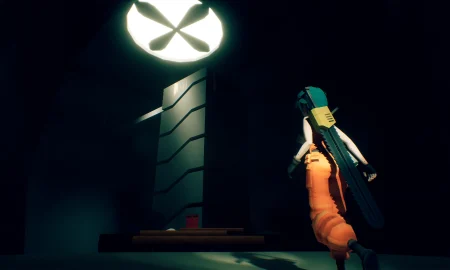
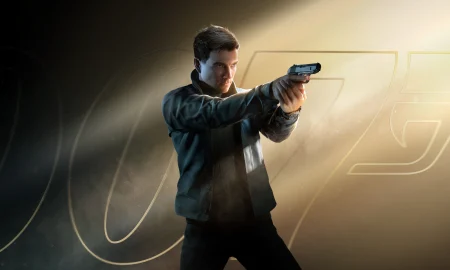

I played Titanfall 2 (and completed it) again recently, mostly because I needed something to play on a rainy bank holiday weekend and my wife had claimed the television for a period drama. I finished the campaign in two sittings, sat in stunned silence through the final act, and immediately messaged a couple of friends to ask if they had ever finished it. None of them had. A 90-rated shooter with one of the finest single-player campaigns in FPS history, and it might as well have been invisible. That experience — finding a game that’s substantially better than its reputation, its sales figures, or its review aggregate would suggest — is one of the quiet pleasures of being a lifelong gamer. Some games get unlucky with their launch window, some get misunderstood by critics chasing the next big thing, and some are simply ahead of their time. This is a list of those games, the ones that deserved more than they got.
Released at the Wrong Time
Sometimes a game does everything right and the calendar does everything wrong. These titles had the misfortune of launching alongside juggernauts, during crowded seasons, or at moments when the audience simply wasn’t paying attention.
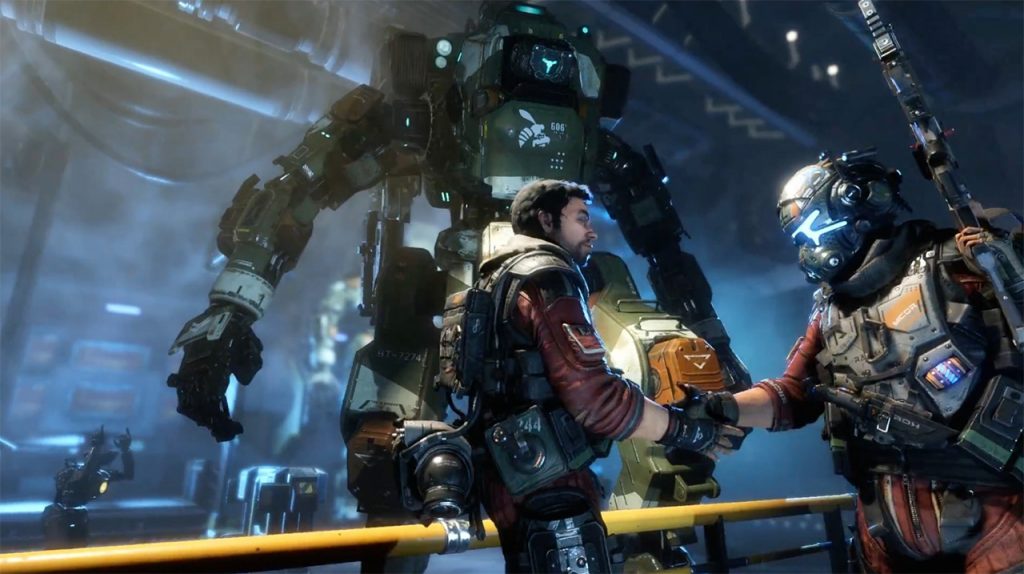
Titanfall 2 (2016) — Sandwiched between Battlefield 1 and Call of Duty: Infinite Warfare, EA’s own shooter cannibalised by EA’s own scheduling. The campaign is a masterclass in FPS design — the time-travel level “Effect and Cause” is one of the greatest single missions in the genre’s history — and the multiplayer was fast, inventive, and superbly balanced. Metacritic scores were excellent, but sales were catastrophic relative to quality. A genuine tragedy of timing.
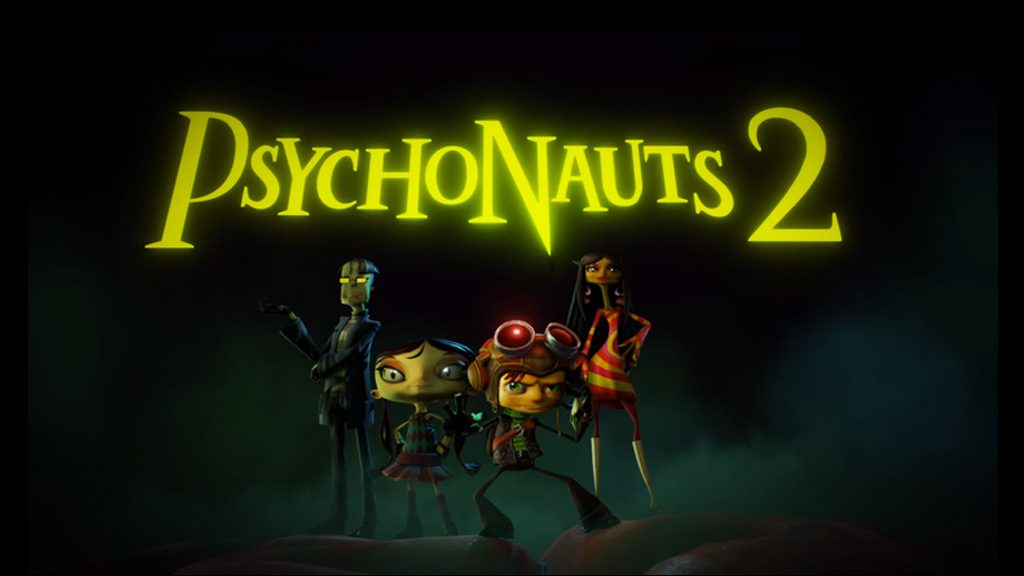
Psychonauts 2 (2021) — Double Fine’s long-awaited sequel arrived to strong reviews but relatively modest commercial attention, partly because it launched on Game Pass and partly because 2021 was absurdly stacked. The level design is extraordinary — each mental world is a fully realised concept that tells its own story through environment and mechanic — and it handles themes of mental health with more nuance than most “serious” games manage. Deserved to be a cultural event. Wasn’t.
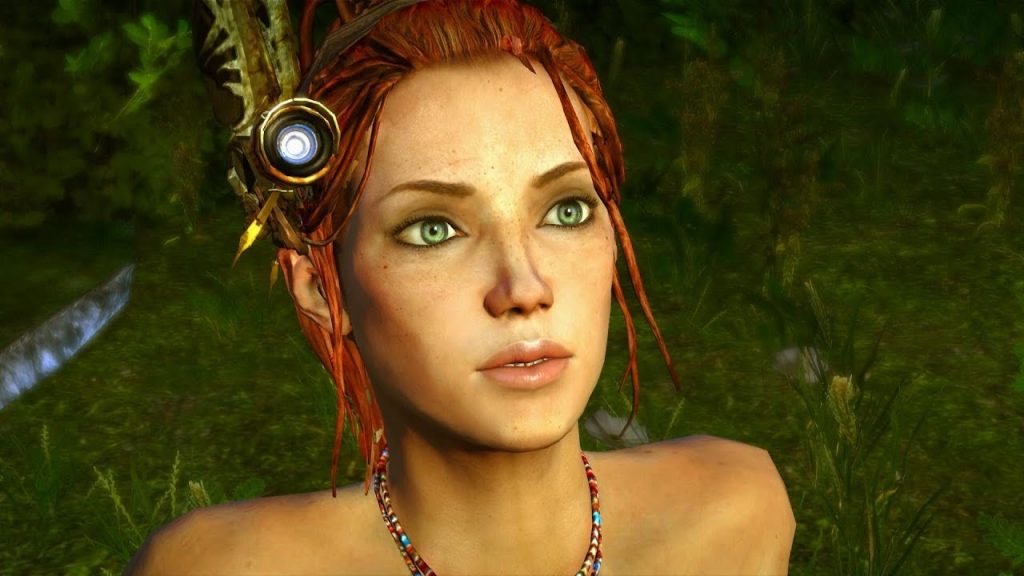
Enslaved: Odyssey to the West (2010) — Ninja Theory’s post-apocalyptic retelling of Journey to the West launched the same month as Fallout: New Vegas and Medal of Honor. Nobody stood a chance against that. Andy Serkis delivered a phenomenal performance-captured lead, the world design was lush and striking, and the relationship between Monkey and Trip was one of the best-written partnerships of its generation. A beautiful game that vanished without a trace.

Kingdoms of Amalur: Reckoning (2012) — An open-world RPG with a combat system so good it embarrassed games with ten times its budget, designed by the team behind Morrowind’s lore with a world built by R.A. Salvatore and art by Todd McFarlane. It launched weeks before Mass Effect 3, sold decently, but the studio’s financial implosion buried any momentum. The 2020 re-master gave it a deserved second life, but the original deserved a far louder reception.
Misunderstood on Arrival
These games were reviewed by people expecting one thing and receiving another. The disconnect between what critics wanted and what the developers delivered meant scores that simply didn’t reflect the experience of actually playing them for more than a few hours.

Death Stranding (2019) — Hideo Kojima made a game about delivering parcels across post-apocalyptic America and half the industry had a collective breakdown trying to categorise it. The walking is the gameplay, the isolation is the point, and the asynchronous multiplayer — leaving ladders and bridges for strangers — is one of the most quietly beautiful systems in modern gaming. It’s not for everyone, and the storytelling ambitions sometimes outpace the pacing, but calling it a “walking simulator” misses the point so thoroughly it’s almost impressive.
Spec Ops: The Line (2012) — Reviewed as a mediocre third-person shooter. Actually a devastating critique of military power fantasies that uses the medium of a shooter to interrogate why you’re pulling the trigger in the first place. The white phosphorus scene remains one of the most important moments in gaming narrative. Critics who scored the gunplay as average weren’t wrong about the mechanics, but they missed the forest for the trees so spectacularly that it should be studied in journalism courses.

Days Gone (2019) — Launched to mixed reviews citing technical issues and an overfamiliar open world. Patched extensively, found its audience on PC, and revealed itself to be a surprisingly emotional survival story with one of the better protagonists in Sony’s stable. The horde mechanics were genuinely innovative — hundreds of zombies moving as a fluid mass — and the late-game narrative shift caught most players off guard. Not a masterpiece, but substantially better than its 71 Metacritic average suggests.
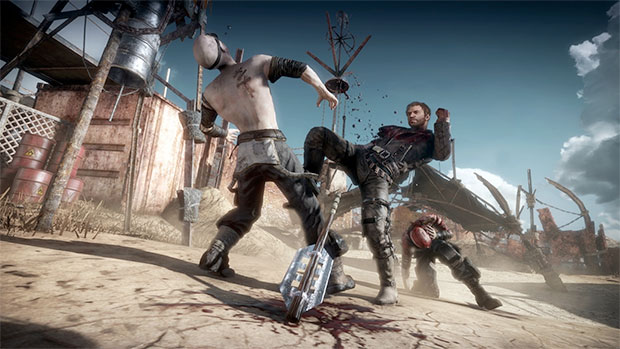
Mad Max (2015) — Dismissed as “another open-world game” in a year drowning in them, Mad Max had some of the best vehicular combat ever put in a game and a wasteland that felt genuinely desolate and atmospheric. The on-foot sections were weaker, and the Ubisoft-style map markers didn’t help its case, but the car customisation, the storms, and the sheer tactile pleasure of ramming a War Boy off a cliff deserved far more recognition than a 69 average.
The Great Redemption Arcs
Some games launched in a state that justified poor reviews, then transformed themselves so completely that the original scores became historical artefacts rather than useful guidance.

No Man’s Sky (2016) — The most dramatic redemption arc in gaming history. Launched to justifiable fury over missing features and broken promises, Hello Games went quiet, put their heads down, and spent eight years adding everything they’d promised and substantially more. By 2026 it’s an extraordinary space exploration game with base building, multiplayer, fleet management, settlement governance, and a universe that actually feels alive. The original reviews were fair. They’re just completely irrelevant now.
Final Fantasy XIV (2010/2013) — So catastrophically bad at launch that Square Enix literally destroyed the in-game world and relaunched it as A Realm Reborn. The audacity of that move — narratively incorporating the failure into the game’s lore — deserves respect on its own, but the fact that it became one of the finest MMOs ever made makes it extraordinary. If you only ever saw the 1.0 reviews, you missed one of gaming’s greatest comeback stories.

Cyberpunk 2077 (2020) — Launched in a state that ranged from “rough” on PC to “unplayable” on last-gen consoles. Three years of patches, the Phantom Liberty expansion, and the anime tie-in turned it into the game it should have been at launch. The writing was always excellent — Judy’s questline, the Johnny Silverhand dynamic, the multiple endings — but the technical state at release poisoned the conversation so thoroughly that many players never came back to discover what it became.
Hidden Brilliance Beneath Rough Edges
These games had genuine flaws that reviewers rightly identified, but the brilliance underneath those rough edges was worth so much more than the aggregate score reflected.
Vampyr (2018) — Dontnod’s action RPG about a doctor-turned-vampire in 1918 London had clunky combat and some pacing issues, which critics correctly noted. What they undervalued was the extraordinary citizen system — every NPC in the game had relationships, secrets, and health conditions, and feeding on them permanently changed the district’s stability. The moral weight of each kill was heavier than in games with ten times the budget, and the atmosphere was thick enough to cut. A flawed gem, emphasis on the gem.

Dragon’s Dogma (2012) — Capcom’s open-world RPG reviewed decently but never broke through to mainstream recognition. The Pawn system was ingenious, the combat was the best in the genre (climbing onto a griffin mid-flight and stabbing it in the neck never got old), and the post-game twist was genuinely shocking. The 2023 sequel finally gave the series the spotlight it deserved, but the original was doing things in 2012 that most RPGs still can’t match. For a different kind of RPG villainy, see our list of games where you can play the bad guy.
Alpha Protocol (2010) — Obsidian’s spy RPG was a technical mess — buggy, visually dated, and with gunplay that felt like the weapons were made of wet cardboard. But the dialogue system and branching narrative were so far ahead of their time that BioWare should have been taking notes. Every conversation had consequences, every alliance could shift, and replaying with different choices produced genuinely different outcomes. A masterclass in reactive storytelling wrapped in a game that looked like it was made in a shed.
Ahead of Their Time
Some games anticipated trends that wouldn’t become fashionable for years. They were strange, niche, or simply too early for the audience they needed.

Prey (2017) — Arkane’s immersive sim launched to solid but unspectacular reviews and modest sales, overshadowed by the name confusion with the 2006 original. The Typhon Mimics — enemies that could disguise themselves as any object in the environment — created genuine paranoia, the space station was one of the best-designed game worlds of the decade, and the freedom of approach was staggering. It’s a game that gets better with every replay and worse with every glance at its sales figures.
Jade Empire (2005) — BioWare’s martial arts RPG, released between Knights of the Old Republic and Mass Effect, never achieved the recognition of either sibling. The setting was refreshingly original, the combat blended real-time martial arts with RPG progression, and the late-game twist was vintage BioWare at their sharpest. It sold well enough but vanished from the cultural conversation almost immediately, which is a shame because nothing else has really attempted what it did.
Singularity (2010) — Raven Software’s time-manipulation shooter launched with almost zero marketing and promptly disappeared. The Time Manipulation Device was a brilliant gameplay hook — ageing enemies to dust, reverting destroyed structures, creating time bubbles — and the Cold War-era setting was atmospheric and well-realised. It borrowed liberally from BioShock, but it borrowed the right bits. A game that deserved a sequel it was never going to get.
Binary Domain (2012) — Yakuza studio Ryu ga Gotoku made a squad-based shooter about fighting robots in near-future Tokyo, complete with a trust system where your AI companions reacted to your decisions and competence. The procedural damage on enemies — shooting limbs off robots that then crawled toward you — was superb, and the story had more heart than most prestige narrative games. It vanished entirely, which is criminal.
Every one of these games taught me something about the gap between critical consensus and personal experience, and about the quiet satisfaction of championing something brilliant that the wider world overlooked. If even one title on this list sends you off to track down a cheap copy or fire up a download, then this list has done its job. For more on the culture side of gaming — how we play, why we play, and what it all means — check out our gaming culture features… and maybe give that bargain bin another rummage while you’re at it.
Frequently Asked Questions
What is the most underrated game of all time?
It’s subjective, but Titanfall 2 and Spec Ops: The Line are frequently cited as the most egregious gaps between quality and recognition. Titanfall 2 had critical acclaim but disastrous sales, while Spec Ops was reviewed as an average shooter despite being one of the most important narrative games ever made. Both deserved far larger audiences than they received.
Can a game’s Metacritic score really be misleading?
Absolutely. Metacritic captures a snapshot of critical opinion at launch, which means games that improve over time (No Man’s Sky, Cyberpunk 2077) carry scores that no longer reflect the actual product. It also averages across reviewers with different priorities — a game with brilliant writing but average combat might score identically to a game with brilliant combat but average writing, despite offering completely different experiences.
Why do some great games sell poorly?
Launch timing is the biggest factor — releasing alongside a major franchise instalment is often fatal for smaller titles. Poor marketing, confusing branding (Prey 2017 vs Prey 2006), platform exclusivity, and genre fatigue all contribute. Sometimes a game is simply too unusual for mass-market appeal, which isn’t a quality problem but a positioning one.
Is No Man’s Sky actually good now?
Yes, emphatically. Hello Games has released dozens of free updates since 2016, adding multiplayer, base building, fleet management, settlement governance, improved exploration, and vastly better visuals. The game in 2026 bears almost no resemblance to the version that launched. It’s one of the best space exploration games available on any platform, and it’s a remarkable example of a developer making good on their promises, even if it took years.
Should I trust review scores when buying games?
Use them as a starting point, not a final verdict. Scores above 85 are generally safe bets, and scores below 50 usually indicate genuine problems. The 60-80 range is where personal taste matters most — a game scoring 72 might be your favourite of the year if it aligns with what you value. Read the text of reviews rather than just the number, and check user reviews a few months after launch for a more settled perspective.
What recent games are currently underrated?
Games that launched quietly or to mixed reviews but deserve more attention include Hi-Fi Rush (stunning rhythm-action, released shadow-drop style), Immortality (Sam Barlow’s most ambitious FMV project), and Jusant (a meditative climbing game from Don’t Nod). All three scored well critically but didn’t achieve the commercial success their quality warranted.
Do remasters help underrated games find their audience?
Sometimes, yes. Kingdoms of Amalur: Re-Reckoning, Dragon’s Dogma: Dark Arisen, and the Psychonauts remaster all brought renewed attention to games that deserved it. Game Pass and PS Plus have also given older titles a second life by reducing the financial risk of trying something unfamiliar. The challenge is that remasters cost money to produce, and publishers are less likely to remaster games that sold poorly the first time — which creates a frustrating catch-22 for the most deserving candidates.
Latest
-

Driftland: The Magic Revival
-
The Planet Crafter Is Coming to Consoles in July
-
Go North: Atmospheric Maze Adventure
-
Unyverse: Afrofuturist Action RPG
-
The Mound: Omen of Cthulhu Demo Launches During Steam Next Fest
-
Woodo: Handcrafted Wooden Puzzle Game Captures Childhood Wonder
-
The Walking Dead: Streets of Survival
-
Skatesterre: New Arcade Skateboarding Game Announced for Summer 2026 Release








Latest Previews
Lost Gems
-
Top 10 Meta Quest 2 Games For Children
-
Stormforce Gaming & The Prism iCue 6209
-
Licensed Xbox Games for Kids 2022/23
-
New Mods for Minecraft Bedrock 2023
-
The 6,6,6 Scariest Games of 2022
-
5 Great Udemy Courses For New Game Developers
-
Hearthstone Alternatives For Lovers of Card Games
-
My Top 10 Star Wars Games of All Time
-
5 of the Most Interesting Mobile Games at EGX Rezzed
-
11 Wicked Witches in Video Games | Halloween Special
-
Beginners Guide to Pokemon Go [Updated]
-
Advanced 2D and 3D Game Development Software
-
My Top 5 Boxing Games
-
Parents Guide to Minecraft
-
10 Great Kids Games From 2016 on Xbox One

















You must be logged in to post a comment Login